The Sound Relationship House: Gottman's Framework for Unshakeable Love
After studying thousands of couples over five decades, Dr. John Gottman built something remarkable: a blueprint for relationships that last. It is called the Sound Relationship House, and it explains exactly why some couples thrive while others slowly drift apart.
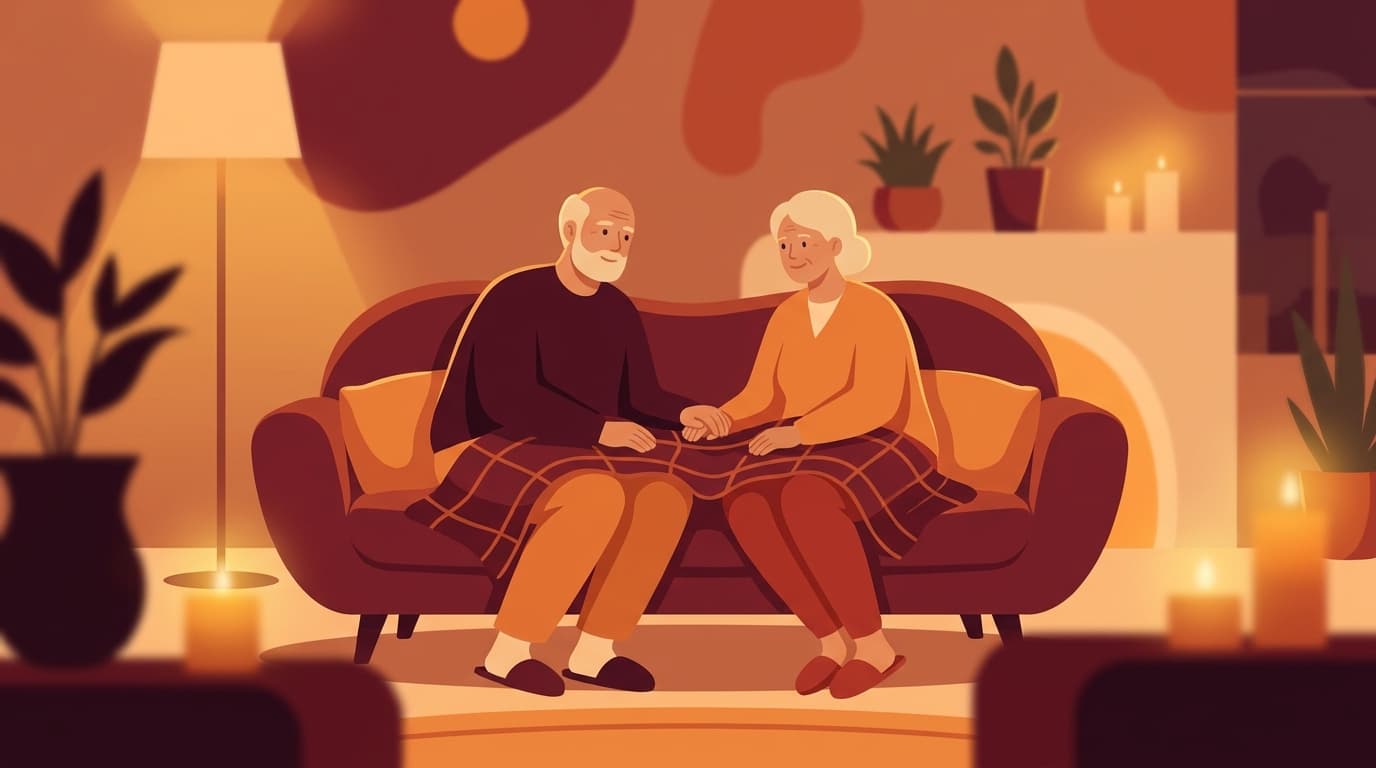
Most couples start out building a life together on a foundation that feels solid. But over time, the weight of stress, miscommunication, and unresolved conflict can crack even the strongest base. The question is not whether your relationship will face pressure — it will. The question is whether the house you have built together can hold up.
John Gottman's Sound Relationship House is the result of more than 40 years of research. By observing thousands of couples in his "Love Lab," Gottman identified the specific components that distinguish relationships that last from those that unravel. The model is visual, practical, and deeply hopeful — because every level is something you can build, starting today.
What You Will Learn
- The 7 levels of the Sound Relationship House and what each means
- Why building the foundation matters more than fixing problems
- Research-backed strategies for strengthening each level
- How JikoSync helps couples build a lasting relationship
What is the Sound Relationship House?
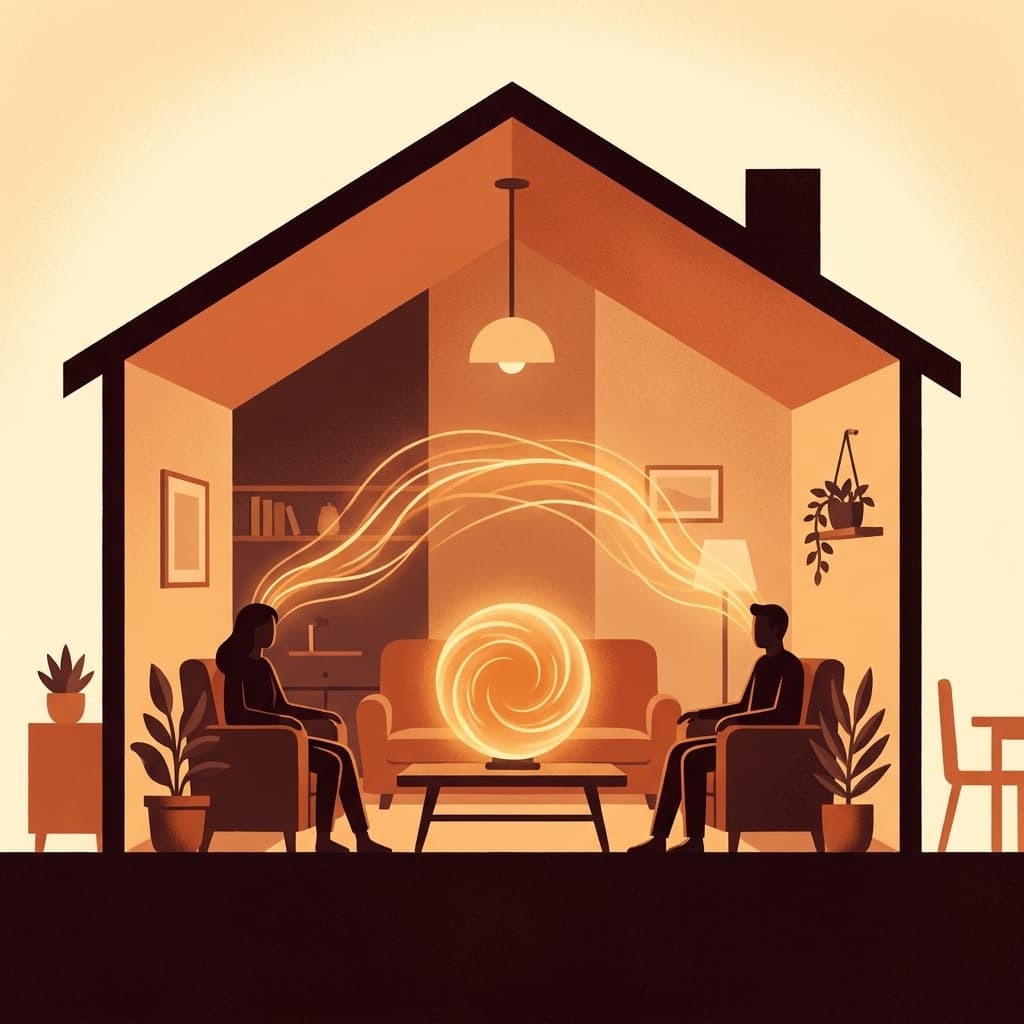
The Sound Relationship House is a framework — a visual model of what a healthy, enduring relationship looks like from the inside. Gottman designed it to show that love is not just a feeling. It is a skill, built through specific habits and patterns. And like any skill, it can be learned and strengthened with practice.
The house has seven floors. Each one builds on the one below it. If the lower levels are weak, the upper levels cannot stand. This is why Gottman focuses so heavily on the foundation: building love is more important than fixing problems. If you build the lower levels well, the upper levels tend to take care of themselves.
Level 1: Build Love Maps
A Love Map is your mental picture of your partner's inner world — their fears, hopes, dreams, stressors, favorite memories, everyday preferences, and the people who matter most to them. The first floor of the Sound Relationship House is built on knowing each other deeply.
Gottman's research found that couples who frequently update their Love Maps — who stay curious about each other's inner lives — are far more resilient when stress arrives. They do not get blindsided by changes in their partner because they have been paying attention all along.
How to build your Love Map:
- Ask your partner one open-ended question every day that goes beyond logistics
- Return to old stories and memories — what was their childhood home like?
- Notice shifts in mood and ask about them, not just project forward
- Keep a shared list of dreams and goals you are both working toward
Level 2: Nurture Fondness and Admiration
The second level is about actively appreciating your partner. Not just thinking nice thoughts — actually expressing them. Gottman found that couples who speak positively about each other, even in casual conversation, maintain much higher long-term satisfaction.
Fondness and admiration are the antidotes to contempt. When you genuinely appreciate your partner, it becomes much harder to treat them with disrespect — even during conflict. You can read our full guide on building and rebuilding trust alongside this one.
Practical ways to nurture fondness:
- Share specific appreciations every day, not just "thanks for everything"
- Remind yourself of your partner's best qualities when conflict arises
- Celebrate wins together, however small
- Talk about what you admire about them to others when they are not around
Level 3: Turn Toward Instead of Away
Gottman calls small bids for connection "the most basic unit of emotional intimacy." When your partner reaches for you — a glance, a comment, a touch — that is a bid. Turning toward them means responding in a way that acknowledges the bid. Turning away means missing it.
Research shows that couples who respond to bids at least 86% of the time are dramatically more likely to stay together. This is not about grand gestures — it is about paying attention to the small moments and treating them as meaningful. Our article on emotional bids for connection goes deeper into this concept.
How to turn toward your partner:
- Put down your phone when your partner enters the room
- Ask follow-up questions when they share something from their day
- Notice physical closeness and do not always retreat from it
- Reply with words, not just a nod or a grunt — even simple ones count
Level 4: The Positive Perspective
When you have built the first three levels well, something shifts: you start giving your partner the benefit of the doubt automatically. This is the Positive Perspective — the assumption that your partner means well, especially in ambiguous situations.
The opposite of the Positive Perspective is a negative sentiment override — where your baseline expectation of your partner is wary or hostile. This develops when the lower levels have been neglected for too long. Repair work at lower levels can restore a positive perspective, but it takes time and consistency.
Signs your perspective needs attention:
- You assume your partner's tone is hostile before you know what they said
- You prepare counter-arguments mid-conversation rather than hearing them
- You roll your eyes or sigh before they have finished speaking
- You find their habits consistently irritating in ways you used to find endearing
Level 5: Manage Conflict and Win Together
This is the level most couples focus on — and the level that matters least in terms of predicting relationship success. Gottman's data shows that 69% of conflict in relationships is perpetual — rooted in personality differences that cannot be resolved. The goal is not to eliminate conflict. It is to manage it well.
The key is the ratio of positive to negative interactions during conflict. Gottman found that stable, happy couples maintain at least a 5-to-1 ratio of positive to negative sentiment during hard conversations. Stressful or unstable couples hover closer to 1-to-1 or below. You can learn more in our article on how to fight fair.
Managing conflict effectively:
- Start difficult conversations with a soft startup — no accusation
- Repair early and often — small gestures prevent big blowups
- Accept the 69% of problems you will not solve — and make peace with them
- During conflict, self-soothe before trying to resolve anything
Level 6: Make Life Dreams Come True
This level is about honoring and supporting each other's deepest life aspirations — the vision you have for yourself as a person, not just as a partner. When couples take each other's dreams seriously, they create a sense of "we're in this together" that goes far beyond daily logistics.
Many couples suppress or defer their individual dreams once they commit to a shared life. Over time, this creates a quiet resentment that erodes fondness. The Sound Relationship House treats dreams as sacred — not threats to the relationship, but core to it.
How to support each other's dreams:
- Ask your partner about their dreams in a dedicated conversation
- Look for one practical way each month to move toward one of their goals
- Do not treat their ambitions as competition with your own or the relationship's needs
- Create space to revisit and update dreams as life changes
Level 7: Create Shared Meaning
At the very top of the house sits Shared Meaning — a shared culture of rituals, roles, goals, and symbols that make your relationship feel like its own world. This is not just about shared hobbies. It is about the deeper sense that your life together has purpose and texture beyond the everyday.
Couples with a strong sense of shared meaning have private jokes, family traditions, shared metaphors, and a story they tell about their life together. They feel like a team with a mission. Our article on relationship rituals for couples explores how to build this in practice.
Building the house from the bottom up
The Sound Relationship House is not a quick fix. It is a way of understanding your relationship as a living system that can be tended and strengthened over time. The good news: every level can be worked on simultaneously, and progress at lower levels tends to lift everything above them.
Start where you are. If you have fallen out of the habit of knowing your partner deeply, start there — ask one real question today. If fondness has faded, start speaking what you admire out loud. If you have been turning away, start turning back. You do not need to rebuild the whole house at once. You just need to lay the next brick.
Frequently asked questions
What if my relationship already has cracks in the foundation?
The Sound Relationship House is a useful diagnostic even when lower levels are struggling. Identify which floor is weakest — that is usually where to start. For most couples, fondness and admiration (Level 2) and turning toward bids (Level 3) are the most immediately repairable. Consistent small effort here can shift the whole structure over time.
Does the Sound Relationship House apply to all relationships?
Gottman's research spans heterosexual and same-sex couples across a wide age range. The framework has been validated across cultures, though specific conflict topics and rituals vary. The underlying principles — building knowledge, appreciation, and shared meaning — transfer broadly.
How does JikoSync use the Sound Relationship House?
JikoSync draws on Gottman's framework throughout its guided exercises and conversation prompts. Many of the structured check-ins and reflection questions are designed to build Love Maps, strengthen fondness, and create shared meaning — the exact skills the Sound Relationship House describes.
Build a relationship that lasts
JikoSync helps couples strengthen every level of the Sound Relationship House with evidence-based exercises, guided conversations, and real-time feedback — designed around the same science that built the model.
Try JikoSync Free →