Emotional Bids for Connection: The Small Moments That Make or Break Your Relationship
Your partner reaches out to you dozens of times a day. Most of those moments are invisible — but they're the foundation of everything.
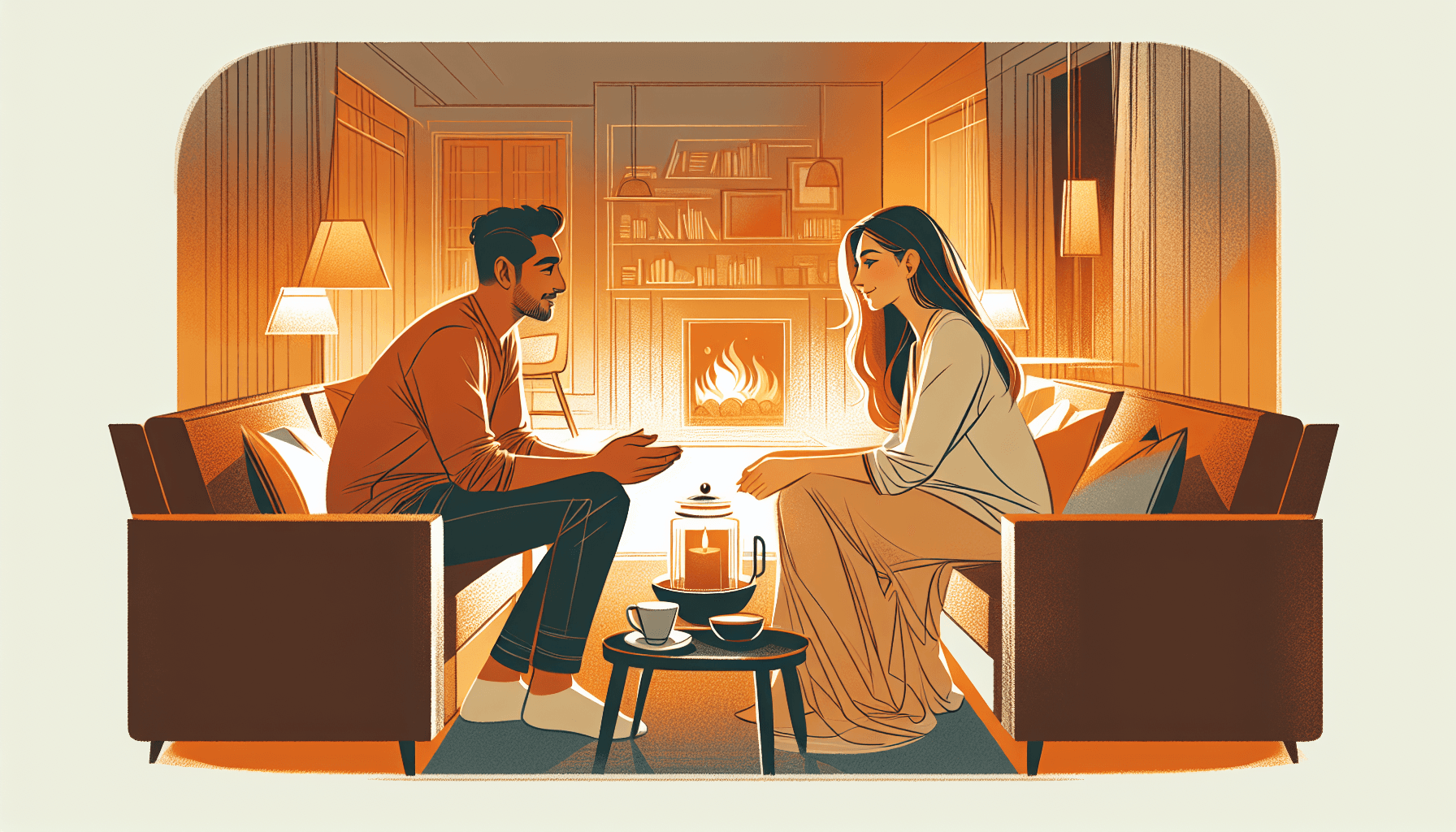
Picture this: your partner is scrolling through their phone and suddenly says, "Oh wow, look at this." It seems like nothing — a throwaway comment about a funny video or a news headline. But according to Dr. John Gottman, one of the world's leading relationship researchers, that tiny moment is one of the most important things that will happen in your relationship today.
Gottman calls these moments "bids for connection" — any attempt one partner makes to get attention, affirmation, affection, or any kind of positive engagement from the other. And after studying thousands of couples over four decades, his research team discovered something remarkable: the way couples respond to these bids is the single most reliable predictor of whether they'll stay together or break apart.
What Exactly Is a Bid for Connection?
A bid is any attempt to connect with your partner. It can be verbal or nonverbal, big or small, direct or subtle. Most bids don't announce themselves — they slip into the ordinary rhythm of a day so quietly you might not even notice them.
Here are some examples you probably experience every day:
- Verbal bids: "How was your day?" "Did you see what happened at work?" "I had the weirdest dream last night."
- Physical bids: Reaching for your hand. Resting a head on your shoulder. A playful nudge while cooking.
- Attention bids: "Look at this sunset!" "Listen to this song." Showing you something on their phone.
- Emotional bids: Sighing heavily after a tough call. Mentioning they're stressed. Getting quiet after reading a message.
- Playful bids: Cracking a joke. Making a silly face. Starting a small, lighthearted argument about nothing.
Researchers estimate that partners make anywhere from 10 to 20 bids per day in a typical relationship. That's 10 to 20 micro-moments where the relationship is quietly being tested — and strengthened or weakened.

The Three Responses: Toward, Away, or Against
When your partner makes a bid, you have three possible responses. Gottman's research shows these responses have dramatically different outcomes for the relationship:
1. Turning Toward (Acknowledging the Bid)
This means engaging with the bid — giving attention, showing interest, or simply acknowledging what your partner said. It doesn't have to be elaborate. If your partner says, "Look at this bird outside," turning toward might be as simple as glancing up and saying, "Oh, cool."
The bar is lower than you think. You don't have to be fascinated by the bird. You just have to show your partner that they matter enough for you to look up.
2. Turning Away (Ignoring or Missing the Bid)
This is the most common — and most damaging — response. Turning away means not responding at all: continuing to scroll your phone, not looking up, giving a distracted "mm-hmm" without any engagement. It's rarely intentional. Most people who turn away aren't trying to hurt their partner — they're just not paying attention.
But intention doesn't matter to the nervous system. When a bid goes unacknowledged, the bidding partner experiences a small emotional rejection. One missed bid is nothing. But hundreds of missed bids over weeks and months create a slow erosion of trust that's almost impossible to pinpoint. Partners just start feeling "distant" without knowing why.
3. Turning Against (Responding with Hostility)
This is the most overtly harmful response: snapping, being dismissive, or using the bid as an opportunity to criticize. "Can't you see I'm busy?" "Why do you always interrupt me?" "I don't care about that."
Turning against is less common than turning away, but it does the most immediate damage. It teaches the bidding partner that reaching out is unsafe — and over time, they stop trying.
The Numbers That Changed Relationship Science
In his famous "Love Lab" studies at the University of Washington, Gottman tracked newlywed couples and then followed up six years later. The findings were striking:
- Couples who were still together had turned toward each other's bids 86% of the time in the original observation.
- Couples who had divorced had only turned toward 33% of the time.
That's the difference between relationship "masters" and "disasters" — not how romantic they were, not how much they had in common, but how consistently they responded when their partner reached out. The 86% couples weren't doing anything extraordinary. They were just paying attention.

Why We Miss Bids (Even When We Love Someone)
If bids are so important, why do we miss them so often? A few reasons come up again and again:
- Distraction. Phones, work, screens, mental load. We're physically present but mentally elsewhere. This is the #1 bid-killer in modern relationships.
- Not recognizing bids. Many bids are indirect. "I'm so tired" might sound like a statement, but it's often a bid for comfort or empathy. If you take it at face value ("Then go to bed"), you've missed the real message.
- Stress and depletion. When you're running on empty, you have fewer emotional resources to give. Everything feels like a demand rather than an invitation.
- Resentment buildup. If you've felt ignored yourself, it's hard to muster the energy to respond to someone else's bids. Missed bids tend to cascade — when one partner pulls back, the other follows.
5 Ways to Start Turning Toward Today
The good news? You don't need a couples therapist to start improving this right now. Here are five practical shifts:
1. Put the Phone Down During Transitions
The highest-bid moments in a day are transitions: when you first wake up, when one person comes home, during meals, and right before bed. Make a rule — phones face-down during these windows. You'll catch bids you've been missing for months.
2. Listen for the Bid Behind the Words
When your partner says something that seems mundane, ask yourself: What are they really asking for? "Work was awful today" isn't a weather report — it's a request for empathy. "This recipe looks fun" might be an invitation to cook together. Train yourself to hear the emotional layer underneath the surface.
3. Respond to the Emotion, Not Just the Content
If your partner shares something exciting, match their energy — even a little. "That's awesome!" beats "Cool." If they share something stressful, validate before solving: "That sounds really frustrating" before "Have you tried..." People want to feel felt before they want to feel fixed.
4. Make Your Own Bids Clearer
If your bids tend to be subtle and your partner keeps missing them, it might be worth being more direct. Instead of sighing and hoping they'll ask what's wrong, try: "I had a hard day and could really use a hug." Clear bids are easier to turn toward — and they reduce the resentment that builds from feeling chronically unseen.
5. Repair When You Miss One
You will miss bids. That's human. What matters is catching yourself and circling back. "Hey, I realized you were telling me something earlier and I was distracted — what were you saying?" That repair attempt actually strengthens the relationship more than if you'd caught the bid in the first place, because it shows your partner you're trying.
The Compound Effect of Small Moments
Relationships don't usually end because of one catastrophic event. They end because of thousands of tiny moments where someone reached out and no one reached back. The distance grows so gradually that by the time couples notice it, they can't remember when it started.
But the reverse is also true. Every time you look up, lean in, or respond with even a small sign of engagement, you're making a deposit in your relationship's emotional bank account. Those deposits compound. Over weeks and months, they create the sense of safety and closeness that makes a relationship feel like home.
You don't need grand gestures. You need consistent attention. The couples who last aren't the ones who plan the most elaborate anniversaries — they're the ones who look up from their phones when their partner walks into the room.
🔥 Practice This With JikoSync
Recognizing and responding to emotional bids is a skill — and like any skill, it improves with practice. JikoSync's AI-guided exercises help you and your partner identify your bidding patterns, practice turning toward, and build the habit of emotional responsiveness. It's like having a couples therapist in your pocket, available whenever you need a tune-up.