Parallel Play in Relationships: How Quiet Togetherness Builds Connection
Not every loving moment has to be deep talk, eye contact, or a perfectly planned date. Sometimes the most regulating, intimate thing a couple can do is simply be close while each person does their own thing.

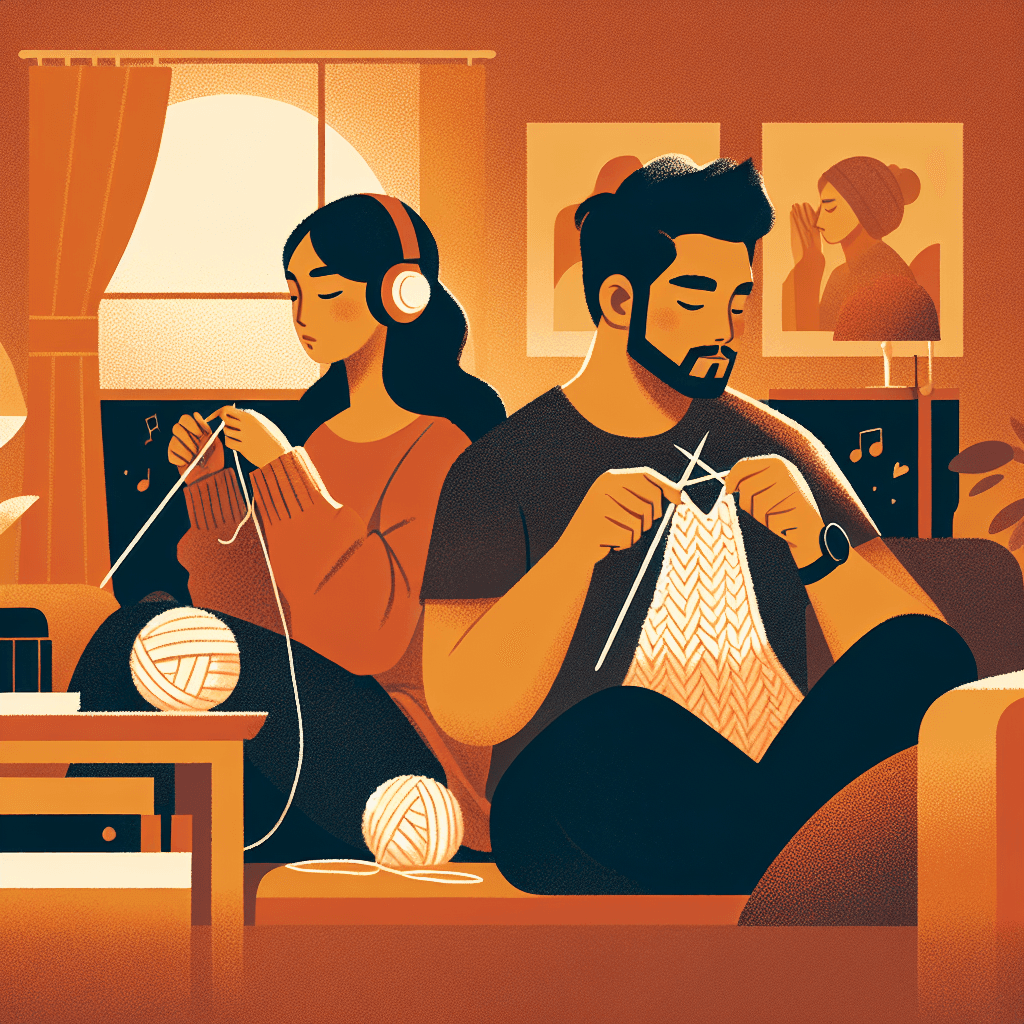
Parallel play in relationships means spending time together while doing separate activities side by side. One partner reads while the other draws. One person journals while the other finishes a puzzle. There may be a little conversation, but the main point is not performance. It is presence. For many couples, especially when life feels loud or draining, this kind of quiet togetherness can feel safer and more nourishing than forcing a big emotional moment.
This article is for couples who care about each other but feel tired, overstimulated, or pressured by the idea that connection always has to look intense. Research from the American Psychological Association consistently shows that healthy relationships are shaped by responsiveness, warmth, and everyday interaction patterns. Parallel play works because it lowers pressure while still increasing closeness.
Key Takeaways
- Parallel play helps couples feel connected without requiring nonstop conversation.
- It works especially well during stressful weeks, low-energy seasons, and after conflict repair.
- Even 20 to 45 minutes of quiet shared time can strengthen a couple's sense of being on the same side.
- The goal is intentional presence, not ignoring each other in the same room.
What parallel play looks like for couples
The term originally comes from child development, but plenty of adults naturally do it too. In relationships, parallel play can look like reading on the same couch, working on separate hobbies at the kitchen table, or sitting on the balcony together while each person unwinds in their own way. You are not disconnected. You are coexisting on purpose.
That distinction matters. Passive co-presence can feel lonely if both people are checked out. Parallel play feels different because there is a shared intention: “Let's be together, but keep it gentle.” If your relationship has been stuck in logistics mode, this can create the same sense of steadiness that we talked about in our article on relationship rituals for couples, just with even less pressure.

Why quiet togetherness can feel surprisingly intimate
A lot of couples accidentally treat connection like another task to optimize. Plan the date. Ask the right questions. Fix the distance. That can help, but it can also make closeness feel heavy. Parallel play removes some of that demand. It gives nervous systems room to settle while still reinforcing, “I want to be near you.”
That matters because stress changes how available people feel. The Gottman Institute often emphasizes reducing stress and turning toward each other in small ways. Parallel play can be one of those turning-toward moments. Instead of withdrawing alone, both partners stay in the relational field. They share space, warmth, and a low-stakes form of togetherness.
For some couples, this also improves physical affection. When emotional pressure drops, touch can return more naturally. A foot against a leg on the sofa or a hand on the shoulder while passing by can feel more genuine than trying to manufacture romance on command. If affection has felt harder lately, our guide on rebuilding physical affection pairs well with this approach.
How to try parallel play in your relationship
1. Name it so it feels intentional
Say something simple like, “Want to do our own thing together for 30 minutes tonight?” Naming it prevents mixed signals. Your partner knows you are inviting connection, not avoiding them.
2. Pick activities that feel regulating
Good options include reading, drawing, stretching, puzzles, tea, knitting, or quiet admin tasks. Bad options are usually the ones that pull attention completely out of the room or trigger comparison, irritation, or overstimulation.
3. Set a light container
Try 20 minutes on a weeknight or 45 minutes on a weekend. A clear start and end keeps the ritual easy to repeat. The Cleveland Clinic notes that habits are easier to maintain when they are simple, visible, and tied to an existing routine.
4. Keep one tiny bridge between you
Maybe you start with a hug, share a blanket, or check in at the end with one sentence each. That small bridge helps the time feel relational rather than merely adjacent.
5. Use it as support, not avoidance
Parallel play is great for connection, but it should not replace every hard conversation. If something important is unresolved, pair quiet togetherness with direct repair. Our article on repair attempts in relationships can help with that part.
Signs it is helping
You may notice that evenings feel softer, your body feels less guarded, or conversation returns more naturally afterward. The biggest sign is often subtle: you stop feeling like closeness requires so much effort. Instead of chasing connection, you are practicing it in a form your nervous systems can actually sustain.
Frequently asked questions
What is parallel play in relationships?
It means spending intentional time together while each partner does their own activity nearby. The goal is shared presence and low-pressure connection, not constant conversation.
Is parallel play healthy for couples?
Yes, when it is intentional. It can help couples feel close, regulate stress, and enjoy each other's company without forcing energy they do not have. It is healthiest when used alongside honest communication, not instead of it.
Can parallel play improve intimacy?
Often, yes. Quiet togetherness can reduce pressure, increase safety, and make affection or conversation feel more natural. Many couples find it especially helpful during busy, stressful, or emotionally overloaded seasons.
The bottom line
Parallel play in relationships is a simple reminder that intimacy does not always need to be intense. Sometimes love looks like a shared room, soft attention, and the relief of not having to perform. When couples learn how to be calm together, they often find it easier to be open, playful, and affectionate too.
Try one low-pressure session this week. Put the phones away, choose two quiet activities, and let togetherness be enough for a little while.
Want help creating more connected evenings?
JikoSync helps couples build closeness with guided check-ins, reflective prompts, and practical rituals that fit real life.
Try JikoSync Free →