Navigating Different Attachment Styles in Relationships
Why you and your partner can want the same thing and still feel so misaligned — and how attachment theory explains the gap.
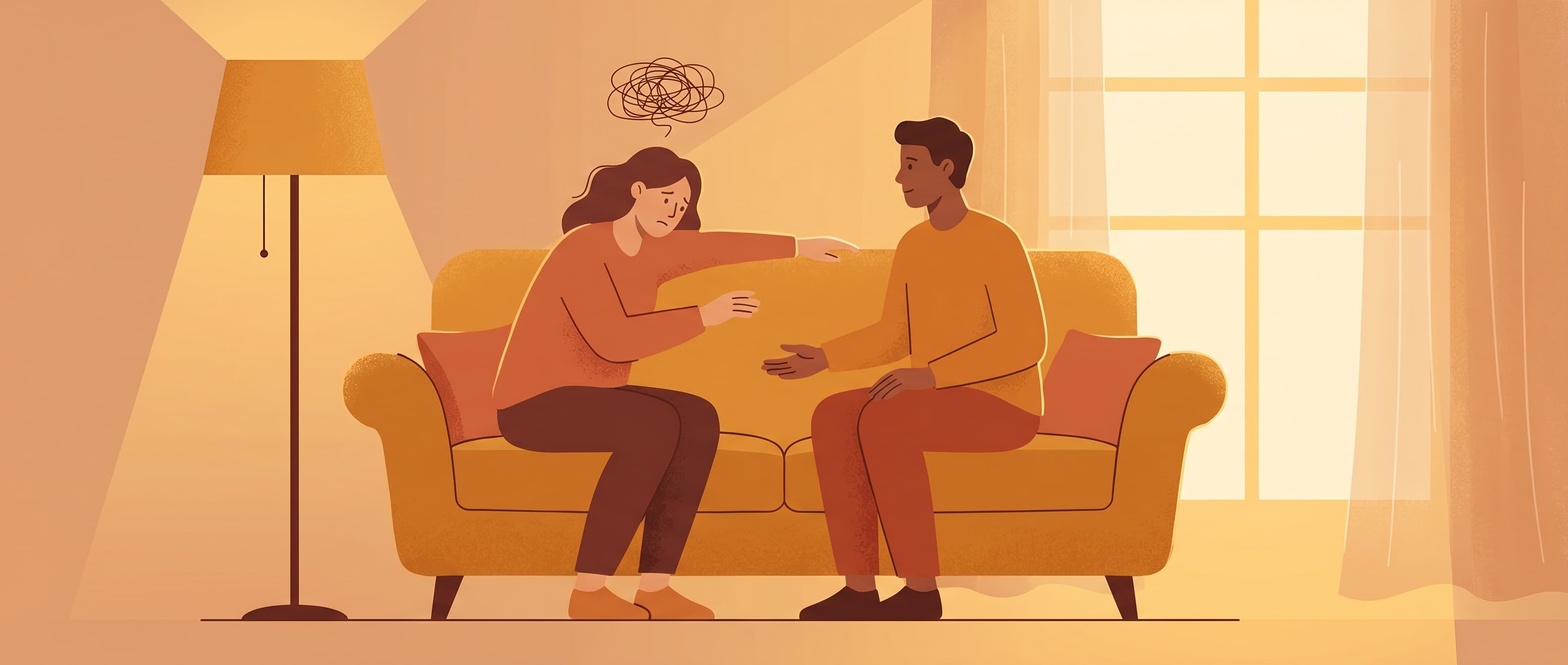
You long for closeness. They pull away when things get intense. You double down and lean in harder. They retreat further. Neither of you is wrong — but both of you are suffering. The culprit might be a simple mismatch in attachment styles.
Attachment theory, originally developed by psychologist John Bowlby and expanded by Mary Ainsworth, explains how our early relationships with caregivers shape the way we connect with romantic partners as adults. These patterns aren't destiny — but they are deeply ingrained, and when two people have different attachment styles, the friction can feel inexplicable.
Understanding how to navigate different attachment styles in a relationship is one of the most powerful tools you can develop. Here's what you need to know.
The Four Attachment Styles — A Quick Refresher
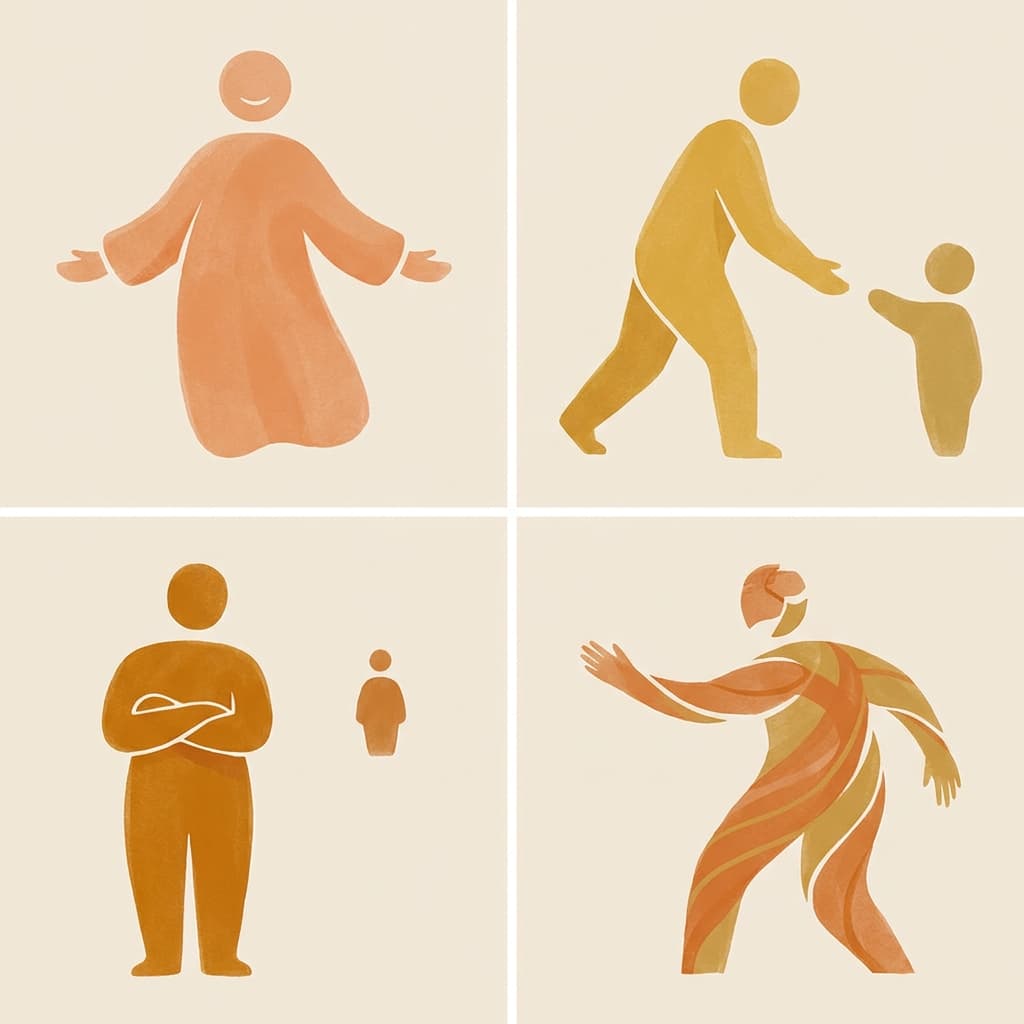
Most people fall into one of four attachment styles:
- Secure — Comfortable with intimacy and independence. Can communicate needs openly, regulate emotions well, and handle conflict constructively. About 56% of adults.
- Anxious — Craves closeness but fears abandonment. Tends to double down when feeling unsure, seeks reassurance frequently, and can become clingy under stress. About 19% of adults.
- Avoidant — Values independence above closeness. Tends to withdraw when things get emotionally intense, dismisses emotional needs, and equates vulnerability with weakness. About 25% of adults.
- Disorganized — A mix of anxious and avoidant patterns, often rooted in trauma or inconsistent caregiving. Displays contradictory behaviors — wanting closeness but fearing it simultaneously.
When Attachment Styles Clash: The Most Common Mismatches
Anxious + Avoidant: The Pursue-Withdraw Cycle
This is the most common — and most volatile — attachment mismatch. One partner (anxious) craves emotional closeness and responds to stress by pursuing, reaching out, and demanding connection. The other (avoidant) responds to emotional intensity by withdrawing, needing space, and minimizing feelings.
The pattern is predictable: the anxious partner reaches out, the avoidant partner withdraws, the anxious partner interprets the withdrawal as rejection and reaches out harder, the avoidant partner feels overwhelmed and pulls away further. Both end up feeling abandoned. Both are.
What helps: The avoidant partner must learn to lean toward emotional engagement rather than away — even when it feels uncomfortable. The anxious partner must practice self-soothing and learn that their partner withdrawing doesn't always signal abandonment. This is hard work, but it's exactly the kind of re-patterning that therapy — and tools like JikoSync — are designed to support.
Anxious + Anxious: The Double-Pursue Pattern
Two anxious attachers can create their own version of chaos. Both partners crave reassurance, both fear abandonment, and both tend to interpret silence or distance as evidence of rejection. The result: a relationship where both partners are anxiously monitoring the other, double- and triple-texting, and either fighting constantly or suppressing feelings to avoid conflict.
What helps: Both partners need to develop their own internal sense of security — a felt belief that the relationship is solid even during ordinary fluctuations in connection. Learning to tolerate uncertainty without panicking is the core skill here.
Avoidant + Avoidant: The Parallel Relationship
Two avoidant partners often describe their relationship as "fine" — and mean it. There's no drama, no fighting, no obvious conflict. But underneath, both partners are quietly suffering from a lack of emotional intimacy. Both are independently managing their emotional lives without the safety of genuine closeness. The relationship can feel like two people sharing a house more than sharing a life.
What helps: Intentional cultivation of emotional vulnerability. Both partners need to practice opening up in small, manageable ways — and both need to create safety so that opening up doesn't feel dangerous.
Anxious + Secure and Avoidant + Secure: The Growth Edge
Pairing an anxious or avoidant partner with a secure partner is often the most workable mismatch. Secure partners provide a stabilizing presence — someone who can tolerate emotional intensity without either panicking (like the anxious partner) or shutting down (like the avoidant partner). The risk: the secure partner can become exhausted if the anxious or avoidant partner's patterns are severe or untreated.
What helps: The secure partner should be a model, not a therapist. Their job isn't to fix their partner — it's to consistently demonstrate secure functioning and invite their partner toward it through their own calm, grounded presence.
How to Talk About Attachment Styles With Your Partner

One of the most powerful things you can do as a couple is take a step back from the pattern and name it together. When you're in the middle of the pursue-withdraw cycle, it feels like your partner is intentionally hurting you. But once you understand attachment theory, you can see the pattern for what it is — and you can interrupt it.
Try this conversation opener:
"I want to share something I learned about attachment styles. I think I might be more [anxious/avoidant] in my patterns, and I think you might be more [avoidant/anxious]. When I reach for you and you pull away, it triggers something in me that feels like rejection — but I don't think that's what you're actually feeling. Can we talk about what's really going on underneath?"
This kind of conversation shifts the dynamic from adversarial to collaborative. You're both on the same team against the pattern — not against each other.
Practical Strategies for Navigating Attachment Mismatches
1. Label the Pattern in the Moment
When you notice yourself starting to pursue or withdraw, pause. Name it — internally or out loud: "I'm starting to feel anxious and I'm about to double down. Let me check in with myself first." This is co-regulation at its core: you regulate yourself before attempting to engage your partner.
2. Build a "Repair Script" for Withdrawal
If your partner is avoidant, create a simple system: if they need space, they say so — and give you a timeframe. Instead of going silent for hours, they say: "I need some time alone, but I'll come back to this conversation in an hour." This gives the anxious partner something to hold onto, and it teaches the avoidant partner that withdrawal without communication is harmful.
3. Practice "Small Bites" of Vulnerability
For avoidant partners, the idea of opening up emotionally can feel like standing at the edge of a cliff. Instead of jumping in all at once, practice small disclosures. Share one thing you noticed today. Say one thing you appreciated. Vulnerability is a skill that gets easier with practice — and small, consistent openings are better than rare, overwhelming ones.
4. Create External Regulation Resources
Anxious partners: you cannot source your entire sense of emotional security from one person. Build other sources of regulation — friendships, therapy, exercise, creative outlets. This isn't about needing your partner less; it's about having a fuller emotional cup so that you can engage with your partner from a place of abundance rather than need.
5. Celebrate Non-Anxious Responses
When your anxious partner does something that looks like self-soothing — takes space, expresses a need directly instead of catastrophizing, trusts you during uncertainty — acknowledge it. Reinforcing these moments builds the neural pathways that support secure functioning. Every time you reward a non-anxious response, you're quietly teaching your partner's nervous system that connection is safe.
Can Attachment Styles Change?
Yes — and this is one of the most hopeful facts in attachment research. Attachment styles are not personality types; they're patterns, and patterns can be updated. With awareness, intentional practice, and enough relational experience of secure functioning, people can move toward greater security.
Research by Dr. Peter Fonagy and others shows that mentalization — the capacity to understand your own and others' behavior in terms of underlying mental states — is one of the most powerful drivers of attachment change. When you can pause and ask "what is my partner really feeling right now?" instead of assuming the worst, you're engaging the mentalization system that supports secure attachment.
In practice, this means: the work of navigating different attachment styles is not about changing your partner. It's about each of you developing more awareness of your own patterns, building the capacity to tolerate vulnerability, and gradually co-creating a relationship environment where both of you can feel safe enough to show up fully.
The Goal: Earned Security
attachment researcher Dr. Howard Steele talks about "earned security" — the security that comes not from having had a perfectly secure early relationship, but from developing a coherent understanding of your attachment history and actively choosing new patterns in your current relationships.
That's available to every couple. Not perfect security — not the absence of all anxiety or all avoidance — but earned security. The kind that comes from doing the work, having the hard conversations, and showing up for each other with growing consistency.
If you and your partner are stuck in an attachment dance that you can't seem to exit, JikoSync can help. Our AI-powered couples sessions help you identify your attachment patterns, practice new ways of relating, and build the emotional safety that makes earned security possible.
Ready to work on your attachment patterns together? 🔥
JikoSync helps couples identify their attachment styles and build new patterns of emotional safety and connection — right from your phone.
Try JikoSync Free →