How to Maintain Your Identity in a Relationship: 8 Therapist-Approved Strategies
The strongest couples aren't joined at the hip — they're two whole people who choose each other daily. Here's how to stay yourself while loving deeply.

Remember who you were when your partner first fell in love with you? You had your own hobbies, your own friends, your own routines. Somewhere along the way, many couples start merging into one entity — sharing every meal, every evening, every friend group — until one or both partners wake up feeling like they've lost themselves entirely.
It's one of the most common complaints therapists hear: "I don't know who I am outside of this relationship anymore."
Research from the Journal of Social and Personal Relationships shows that maintaining a strong sense of personal identity is actually one of the best predictors of long-term relationship satisfaction. Couples who nurture their individuality report 36% higher relationship satisfaction than those who become enmeshed.
The paradox? The more whole you are on your own, the more you have to bring to your relationship. Let's explore how to get that balance right.
Why Couples Lose Their Individuality
Before diving into solutions, it helps to understand why this happens. It's rarely intentional. The early stages of love are biologically designed to make you want to merge with your partner — dopamine and oxytocin create an intoxicating pull toward togetherness.
Over time, practical factors kick in: shared finances mean coordinated spending, shared living spaces mean coordinated schedules, and social pressure to be a "unit" means coordinated friend groups. Before you know it, the hobbies you once loved have quietly faded away.
Psychologist Dr. Esther Perel calls this the central tension of modern love: "We want the security of closeness and the excitement of separateness — and we want them from the same person."
Signs You May Be Losing Yourself
- You can't remember the last time you did something just for you
- Your opinions and preferences have gradually shifted to match your partner's
- You feel guilty spending time alone or with your own friends
- You struggle to answer "What do you want?" without consulting your partner
- Your mood is entirely dependent on your partner's mood
- You've dropped hobbies, friendships, or goals since the relationship started
If several of these resonate, don't panic. This is incredibly common and entirely fixable. Here are eight strategies that work.
1. Protect Your Solo Hobbies Like Sacred Ground

Your hobbies aren't selfish — they're essential. Whether it's painting, running, gaming, gardening, or reading, these activities keep you connected to yourself. They give you stories to tell, energy to share, and a sense of accomplishment that's entirely your own.
Action step: Block at least 2-3 hours per week for an activity that's just yours. Put it in your calendar. Treat it like an appointment you can't cancel.
2. Maintain Your Own Friendships
Couples who share every friendship create a fragile social ecosystem. When everything is mutual, neither partner has a safe space to vent, process, or simply be themselves without the relationship lens.
Research from the University of Maryland found that people who maintain independent friendships outside their romantic relationship experience less emotional burnout and recover faster from conflicts with their partner.
Action step: Schedule a regular friend date — coffee, a walk, a call — at least once every two weeks. No partner involved.
3. Practice Making Decisions Alone
There's a difference between consulting your partner on big decisions and being unable to choose a restaurant without their input. If you've fallen into the habit of deferring every choice, start reclaiming small decisions.
Action step: This week, make three small decisions without asking your partner — what to eat, what to watch, how to spend your Saturday morning. Notice how it feels.
4. Set Gentle Boundaries Around Alone Time
Alone time isn't rejection. This is perhaps the most important mindset shift couples need to make. Needing space doesn't mean you love your partner less — it means you love yourself enough to recharge.
Frame it positively: "I'm going to take an hour to read because it makes me a better version of myself when we're together." This removes the sting and models healthy behavior.
5. Keep Your Own Goals and Dreams Alive
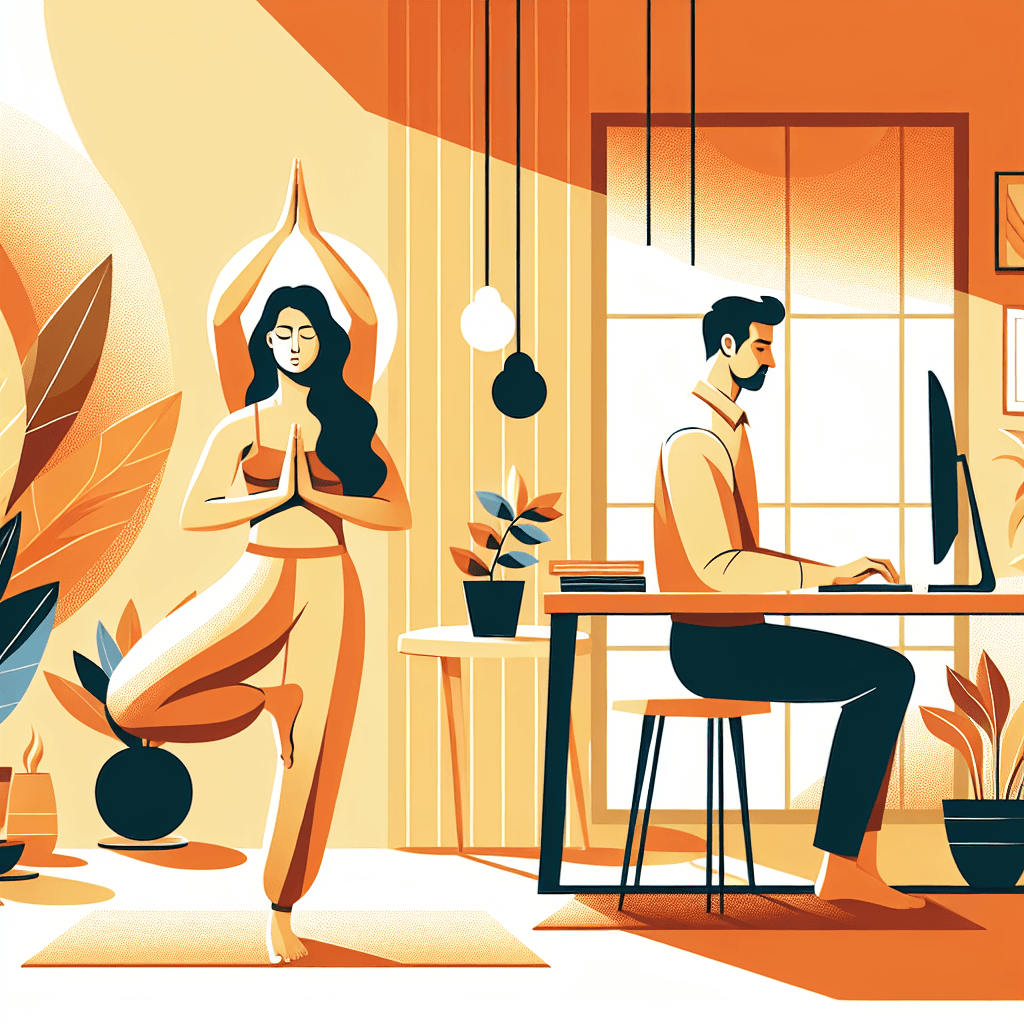
Shared goals are wonderful — buying a home, traveling, building a family. But personal goals matter just as much. That career ambition, that fitness target, that creative project — these are threads of your individual identity that deserve attention.
Action step: Write down three personal goals that have nothing to do with your relationship. Share them with your partner — not for permission, but for support.
6. Resist the Urge to Report Everything
Transparency is healthy. But there's a difference between honesty and narrating your every thought, feeling, and interaction. You're allowed to have an inner world that's just yours. You can have a conversation with a friend without giving your partner a full debrief.
Therapist Dr. Alexandra Solomon notes that "mystery and separateness aren't threats to intimacy — they're the oxygen that keeps desire alive."
7. Check In With Yourself Regularly
It's easy to do regular check-ins with your partner (and you should — we wrote a whole article about that). But when was the last time you checked in with yourself?
Try these questions monthly:
- Am I doing things that bring me joy outside of my relationship?
- Do I feel like I can express my true opinions, even when they differ from my partner's?
- Am I growing as an individual, or have I stagnated?
- What would I want to do this month if I were single? (Then do some of it anyway.)
8. Talk to Your Partner About It
Here's the beautiful irony: the act of discussing individuality with your partner is itself an act of intimacy. Saying "I want to make sure we both stay whole people" isn't a threat — it's an investment in your future together.
Frame the conversation around growth: "I love us. And I want to make sure we each keep growing as individuals so we can keep bringing our best selves to this relationship."
The Balance That Makes Love Last
Maintaining your identity isn't about creating distance — it's about creating depth. Two people who are individually fulfilled bring curiosity, energy, and freshness to their partnership. They have things to talk about. They have experiences to share. They keep choosing each other not out of dependency, but out of genuine desire.
As poet Rainer Maria Rilke wrote: "Love consists of this — that two solitudes protect and border and greet each other."
The goal isn't independence from your partner. It's independence within your partnership. That's where lasting love lives.
Struggling to find the balance?
JikoSync's AI-guided exercises help couples navigate individuality and togetherness — without the awkwardness of bringing it up cold. Start with a free session.
Try JikoSync Free →