Emotional Attunement in Relationships: How to Truly Tune Into Your Partner
The ability to feel what's happening inside your partner — and let them feel seen — is one of the most powerful skills a couple can build.

Something shifts in your partner the moment they walk through the door — a tension in their shoulders, a flatness in their voice. You notice. But do you respond? Emotional attunement is that moment of recognition and repair, and it's one of the most powerful forces in any relationship.
At its core, emotional attunement is the ability to sense what's happening inside your partner — their feelings, needs, fears, and hopes — and to communicate that you understand. Not just hear them. Not just fix them. Feel with them.
Dr. Sue Johnson, who developed Emotionally Focused Therapy (EFT), calls attunement the "essential nutrient" of relationships. Without it, couples can live side by side for decades and still feel alone. With it, even difficult conversations become opportunities for connection.
What Is Emotional Attunement, Exactly?
Emotional attunement has three components that work together:
- Sensing — noticing your partner's emotional state, often before they've said a word
- Understanding — accurately interpreting what they feel and why it matters to them
- Responding — reacting in a way that confirms you see them and care about what they're experiencing
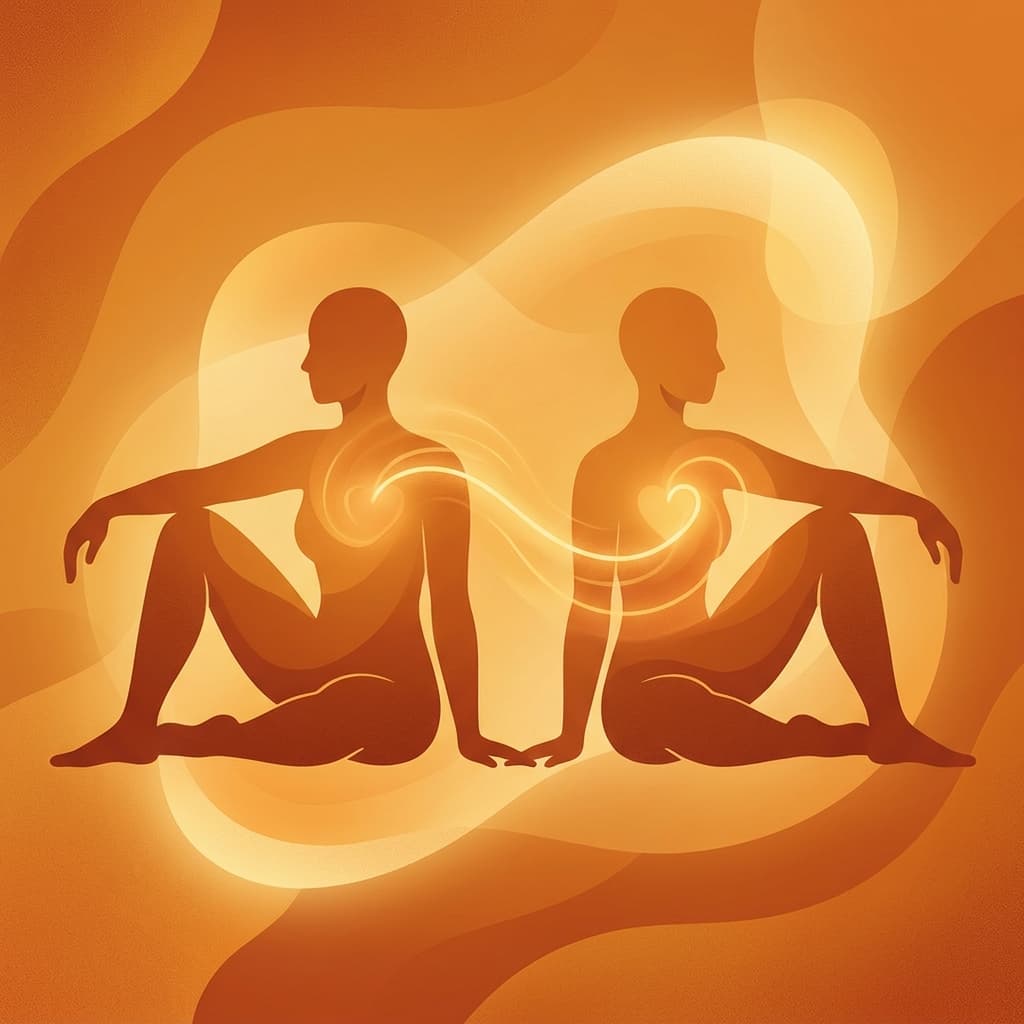
Think of it like musical tuning. When two instruments are in tune with each other, the sound is harmonious. When they're out of sync, the dissonance is jarring — even if each instrument sounds fine on its own. Emotional attunement is what keeps the relationship harmonious.
Why Attunement Matters More Than Solving Problems
Here's a pattern most couples fall into: one partner shares a problem, and the other immediately shifts into solution mode. They offer advice, strategies, a fix. But the sharing partner just wanted to feel heard first.
This is a breakdown in attunement. The helper is responding to the content of what was said, while the sharer was asking for emotional connection. It's a mismatch — and over time, it builds resentment.
Research on emotionally focused therapy shows that when partners feel truly attuned to — when someone "gets" their emotional experience — they become calmer, more open, and better able to solve problems together. Attunement isn't soft or secondary. It's a prerequisite for everything else.
The Three Stages of Emotional Attunement
Stage 1: Turn Toward
Before you can attune, you have to be present. "Turning toward" means noticing that your partner is reaching for connection — a glance, a sigh, a comment that sounds casual but carries weight. These are emotional bids, as Dr. John Gottman calls them, and studies show that couples who respond to them stay together at dramatically higher rates.
The opposite — turning away or turning against — happens when you're distracted, stressed, or emotionally unavailable. It can become a habit that slowly starves the relationship.

Stage 2: Tune In
Once you've turned toward your partner, the next step is to actually listen — not just to their words, but to the emotion underneath. Ask yourself: What are they feeling right now? What might they need?
This is where most people miss the mark. Tuning in means suspending your own agenda and immersing yourself in their experience. It means being curious rather than defensive, interested rather than instructive.
A simple practice: after your partner finishes speaking, don't immediately respond. Take a breath. Then reflect back what you heard — not as a question, but as a statement: "It sounds like you're feeling really frustrated about work, and you just need some space tonight." This alone can change everything.
Stage 3: Respond With Emotional Presence
The final stage is responding in a way that communicates: I am with you in this. This can look like words — "I can see why that would hurt" — or actions, like setting aside your phone, moving closer, or simply holding their hand while they process.
The key is that your response matches the emotional tone of the moment. If they're grieving, a joke dismisses. If they're excited, a list of risks shuts them down. Emotional attunement is calibration — adjusting your response to fit what they actually need in that moment.
5 Daily Practices to Build Attunement
1. The Five-Minute Check-In
At the end of each day, take five minutes to ask: "How are you really doing?" Then listen — fully, without multitasking — before responding. This isn't a debrief or a to-do review. It's an emotional temperature check.
2. Name the Emotion
When your partner shares something, try to name the emotion. "That sounds really disappointing" or "I can hear how proud you are." This is called emotional labeling, and neuroscience research shows it actually calms the limbic system — their brain and yours.
3. Mirror Before You Fix
When your partner shares a problem, resist the urge to solve it immediately. Instead, mirror what they said first. Let them confirm you got it right. Only move to problem-solving once they feel heard.
4. Track the Micro-Moments
Attunement isn't just for big emotional conversations. It's built in small moments — a touch on the shoulder, a knowing glance, a text that says "thinking of you." These daily deposits into the emotional bank account compound.
5. Ask "What Do You Need?" — and Mean It
Many partners ask this question automatically, without really waiting for an answer. The practice here is to ask — and then wait, with genuine openness, for the real response. Sometimes the answer is space. Sometimes it's presence. Sometimes it's just a hug. Being willing to give whatever they need is the ultimate act of attunement.
What Happens When Attunement Breaks Down
When one or both partners consistently fail to attune, the relationship suffers in predictable ways. Emotional distance grows. Criticism or contempt creeps in. The couple begins to function as roommates or co-parents rather than intimate partners.
This doesn't happen because people don't care. It happens because attunement is a skill — and like any skill, it degrades without practice. Most people were never taught to monitor their partner's emotional world. It requires intention, and it requires slowing down.
The good news: attunement can be rebuilt. Couples who commit to daily check-ins, slow down in conflict, and practice reflecting emotions back to each other often see profound shifts in as little as a few weeks.
Attunement Is a Practice, Not a Gift
Some people seem naturally more attuned — perhaps because they grew up in families where emotions were openly discussed. But research is clear: attunement is a learnable skill. It responds to intention, practice, and feedback.
JikoSync's guided sessions help couples practice attunement in real time, with structured exercises that build the sensing-understanding-responding reflex until it becomes second nature. Because the couples who thrive aren't the ones who never struggle — they're the ones who learn to come back to each other, again and again.
Want to build deeper attunement with your partner? 🔥
JikoSync's AI-guided therapy sessions help couples develop emotional attunement through guided exercises and real-time feedback. It's couples therapy that fits your schedule.
Try JikoSync Free →